

In pharmaceuticals, every detail on pharma packaging, from the dosage information to the regulatory symbols, must be perfect. An error can lead to product recalls, regulatory fines, and most importantly, risks to patient safety. Yet, many organizations struggle with a hidden source of chaos: decentralized artwork management. When teams work in silos with scattered data, the risk of error skyrockets.
This article explores the journey from artwork chaos to complete control. We will examine the consequences of not centralizing artwork data and how version control fails in manual systems. More importantly, we will highlight the tools and workflows that empower teams to maintain packaging compliance, reduce errors, and bring life-saving products to market faster and safer.
The High Cost of Decentralized Artwork Data
Imagine a global product launch. The marketing team in North America has one version of the logo, the European regulatory team has another, and the design agency in Asia is working from an outdated brand guide.
This is the reality of decentralized artwork management. When critical data for pharma packaging isn’t stored in a single, accessible location, several problems emerge.
Inconsistent Branding and Messaging
Without a single source of truth, brand consistency becomes nearly impossible to maintain.
Different teams may use incorrect fonts, outdated logos, or unapproved marketing claims. This not only dilutes brand identity but can also create compliance issues if unverified statements make it onto the final packaging. For a global brand, this fragmentation can erode consumer trust and create a disjointed customer experience.
Costly Errors and Recalls
Scattered data is a breeding ground for errors. A team might use an old file containing a typo in the drug's scientific name or an incorrect dosage instruction. If this mistake isn't caught, it can lead to a full-scale product recall. Recalls are incredibly expensive, not just in financial terms but also in damage to a company's reputation. Centralizing data ensures that everyone is working from the most current and approved files, drastically reducing the risk of such preventable mistakes.
Inefficient Workflows and Delays
When team members have to hunt for the latest files across email chains, shared drives, and local computers, productivity plummets.
This manual search-and-verify process wastes valuable time and introduces delays into the product lifecycle. In the competitive pharmaceutical market, getting a product to patients quickly is critical. Decentralized systems create bottlenecks that slow down the entire artwork approval process, from initial design to final print.
When Manual Version Control Fails
In a manual environment, version control is often a nightmare. Teams might rely on file naming conventions like Final_V2, Final_Approved_John, or Final_FINAL to track changes.
This system is fragile and prone to human error. It’s only a matter of time before someone works on the wrong version, leading to rework and confusion.
Overwriting Critical Changes
One of the biggest risks of manual version control is accidentally overwriting important updates.
A regulatory specialist might add a crucial warning to the artwork, only to have a designer unknowingly save over it with a minor cosmetic change. Without a robust system to manage and merge changes, critical information for artwork compliance can be lost, creating significant regulatory and safety risks.
Lack of a Clear Audit Trail
When regulators ask for proof of your approval process, can you provide it? In a manual system, tracking who approved what and when is a challenge. Email approvals get lost, verbal sign-offs are forgotten, and there is no clear, auditable trail.
This lack of transparency not only complicates internal reviews but also poses a serious problem during regulatory audits. A clear audit trail is essential for demonstrating due diligence and maintaining packaging compliance.
The Challenge of Global Packaging Compliance
For companies operating in multiple countries, manual version control is simply not scalable.
Each region has its own set of regulations, language requirements, and formatting rules. Managing dozens of artwork variations for global packaging compliance without a centralized system is an invitation for disaster.
It becomes nearly impossible to ensure that each market receives the correct, compliant artwork, leading to shipping delays, rejected batches, and market access issues.
Tools and Workflows for Regaining Control
The solution to artwork chaos lies in adopting centralized systems and intelligent workflows. By leveraging technology, pharmaceutical companies can streamline their processes, enhance collaboration, and ensure compliance.
Automation in pharma packaging is no longer a luxury, it's a core component of a successful strategy.
Centralized Digital Asset Management (DAM)
A DAM system acts as a single source of truth for all artwork assets. It’s a secure, cloud-based library where teams can store, find, and share logos, brand guidelines, approved copy, and artwork files. With a DAM, you can:
- Ensure everyone uses the latest version: Version control is automated, so team members always access the most current files.
- Control access with permissions: You can set permissions to ensure that only authorized users can edit or approve assets.
- Link assets to product information: Integrate your DAM with Product Information Management (PIM) systems to automatically populate artwork with accurate data.
Automated Artwork Approval Workflows
Modern artwork management platforms replace messy email chains with structured, automated workflows. These tools allow you to design custom approval routes based on the project type, market, or risk level. Key benefits include:
- Parallel reviews: Send artwork to multiple stakeholders (regulatory, legal, marketing, quality) simultaneously to speed up review cycles.
- Clear accountability: The system tracks every comment, change request, and approval, creating a complete and indisputable audit trail.
- Automated reminders: The system automatically nudges reviewers when deadlines are approaching, preventing bottlenecks.
Intelligent Proofreading and Verification Tools
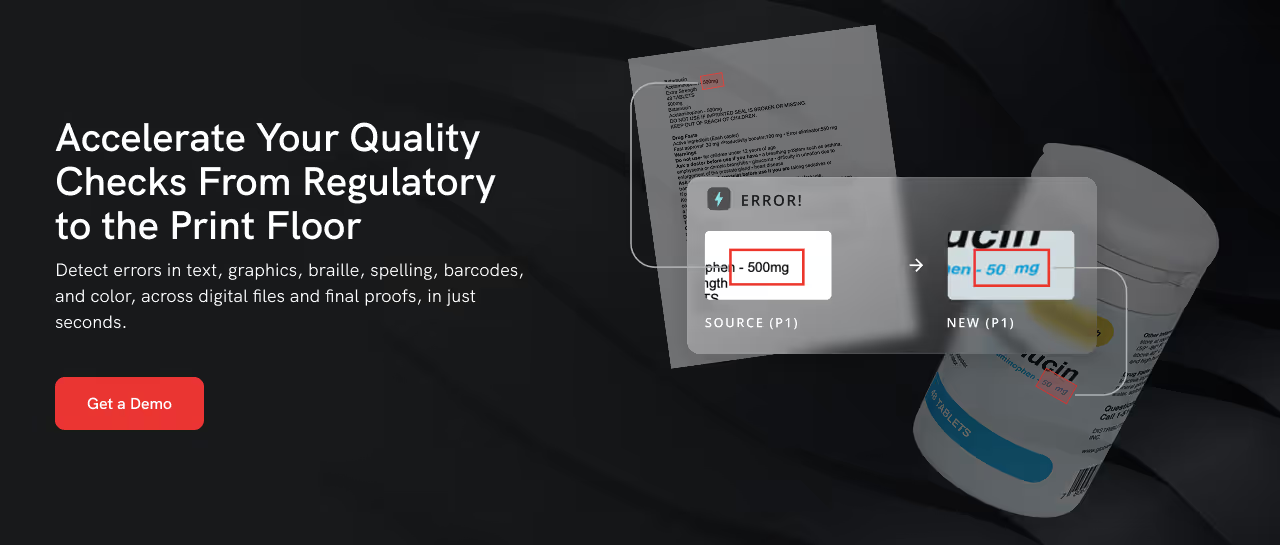
Human error is a major source of mistakes in pharma packaging. Digital, automated proofreading tools help eliminate this risk. These tools can automatically compare different versions of a document and highlight any differences in text, graphics, barcodes, and more.
An intelligent text verification tool can even compare the approved manuscript text against the final artwork file to ensure every word and number is correct. This level of automation in pharma packaging is vital for ensuring artwork compliance and patient safety.
The Path to Complete Control
Moving from chaos to control is a transformative journey. It requires a shift away from manual processes and siloed data toward a centralized, automated approach.
By implementing tools like digital asset management systems, automated workflows, and intelligent proofreading software, pharmaceutical companies can take command of their artwork processes.
The result is a more efficient, collaborative, and compliant organization. Teams spend less time searching for files and more time on value-added tasks. Errors are caught early, product launches are smoother, and the risks associated with non-compliance are significantly reduced.
Ultimately, centralizing your artwork systems is about more than just efficiency, it's about safeguarding your brand, protecting your patients, and securing your place in the market.