
Label Compliance

Label compliance is the process of making sure that a product’s label meets all legal, safety, and industry requirements before it is printed and released to the market. This includes checking that the label has the correct text, warnings, symbols, barcodes, ingredients, artwork, and formatting required by regulators and industry standards. In print and packaging, label compliance ensures that what gets printed is accurate, complete, and approved for sale.
Why it matters:
Incorrect or non-compliant labels can lead to recalls, fines, delays, or even safety risks for customers. Making sure labels follow all rules protects both the consumer and the brand. It also prevents waste, reprints, and expensive last-minute fixes in the production process.
The Label Compliance Process in Print and Packaging:
- Gather requirements: Collect all regulatory guidelines, brand rules, language requirements, and market-specific standards that apply to the label.
- Review artwork and content: Verify that all text, artwork, barcodes, symbols, claims, and required statements are present and correct.
- Check formatting and layout: Ensure that font sizes, contrast, placement, spacing, and color requirements meet regulatory and brand standards.
- Validate data accuracy: Confirm that batch numbers, ingredients, allergen statements, warnings, and other variable data are accurate and up-to-date.
- Run technical print checks: Make sure barcodes scan properly, color profiles are correct, dielines are followed, and no elements fall outside safe areas.
- Approval and sign-off: Regulatory, quality, legal, marketing, and packaging teams review and approve the label for production.
- Prepress verification: Compare the final print-ready file to approved artwork to catch last-minute errors before printing.
- Print inspection: Use manual or automated inspection systems to ensure each printed label matches the approved file and remains compliant.
Benefits:
- Avoids legal issues: Reduces the risk of fines, penalties, or recalls
- Protects consumers: Ensures warnings, instructions, and information are correct
- Improves brand trust: Shows reliability and responsibility
- Saves time and money: Prevents costly errors and reprints
- Ensures accuracy: Helps teams catch mistakes before printing
In short, label compliance makes sure every printed label is accurate, legal, and safe, protecting the brand and the customer.
See Other Guides
How to Master FDA Labeling Requirements: Your Comprehensive Guide is Here
This comprehensive guide provides detailed insights into FDA labeling requirements and ensures your organization not only thoroughly understands labeling guidelines, but also sets best practices […]

How Artwork Label Proofreading Protects Your Brand From Design to Delivery
Learn how artwork label proofreading protects your brand by catching errors early, ensuring accuracy, compliance, and consistency.
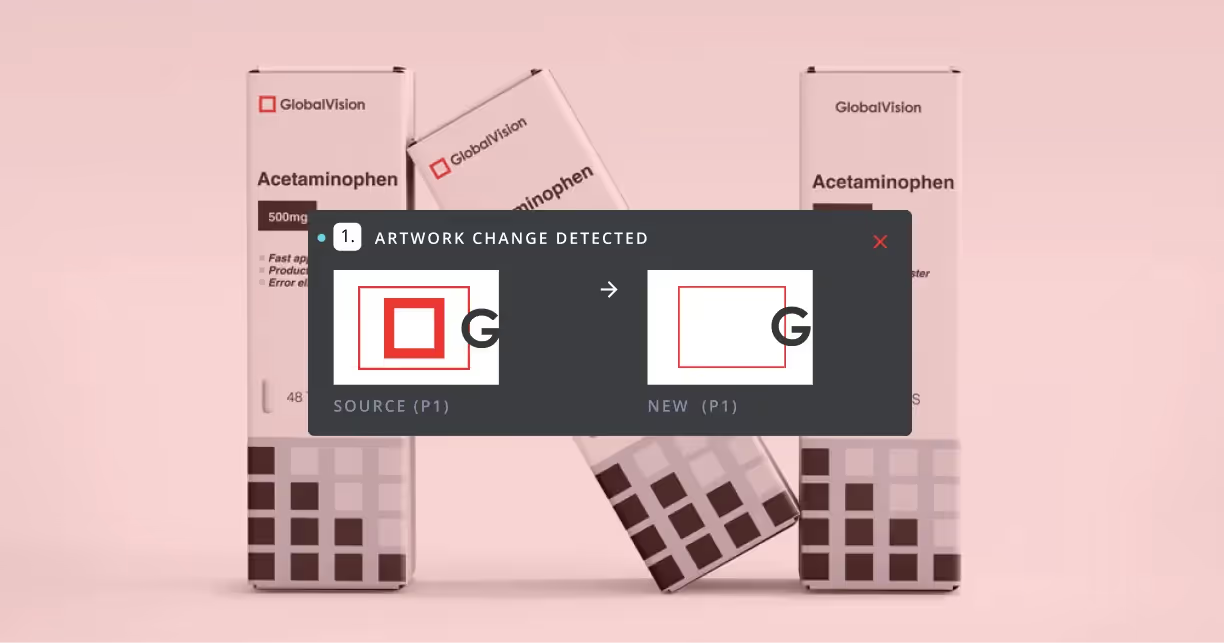
How Artwork Comparison Helps Leading Labeling Teams Avoid Costly Errors
The smallest artwork error can lead to massive recalls, regulatory fines, or damaged brand reputation, especially when it appears on regulatory packaging or labeling.
Streamline Artwork Proofing From Prepress to Production
Elevate labeling and packaging accuracy with the market-leading artwork inspection software.