
Resolution (DPI)

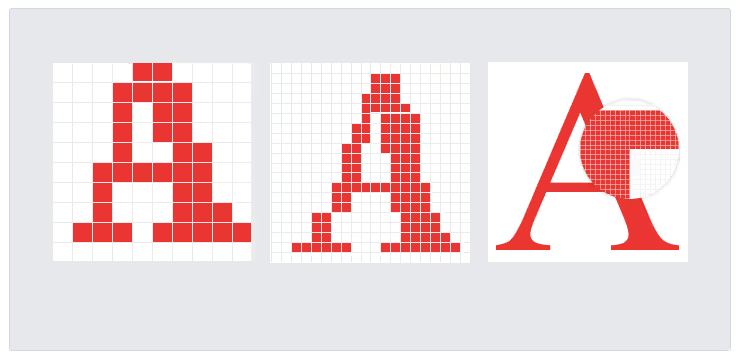
Resolution DPI (Dots Per Inch) is a measure of how many tiny dots a printer can place within one inch of paper. It tells you how detailed and sharp a printed image will look. A higher DPI means more dots are used, which creates smoother edges, clearer text, and more accurate images. Lower DPI can make prints look blurry, pixelated, or “grainy.”
Why it matters:
In print and packaging, resolution DPI determines how professional and readable the final product looks. If the artwork isn’t high enough resolution, important details, like ingredients, warnings, or logos, can become unclear.
Benefits of Higher Resolution DPI:
- Sharper images and text
- More accurate color and detail
- Professional-looking prints
- Better readability for small fonts
How Resolution DPI is Applied to Print and Packaging
- Labels: Small text and barcodes need high DPI to stay readable
- Packaging: Logos and graphics must stay crisp across different materials
- Marketing materials: Brochures and posters rely on high detail for a polished finish
Resolution DPI measures how much detail a printer can produce, and higher DPI means cleaner, sharper, more professional print quality.
See Other Guides
Building an Effective Artwork Management Process in 2026
Packaging accuracy directly impacts business success in regulated industries. An effective artwork management system creates measurable competitive advantages by reducing packaging errors, preventing costly recalls, and protecting brand reputation wh

Artwork Best Practices
Avoiding errors in production is often the result of inconsistency. In this guide, we cover everything you’ll need for a bulletproof file creation process.
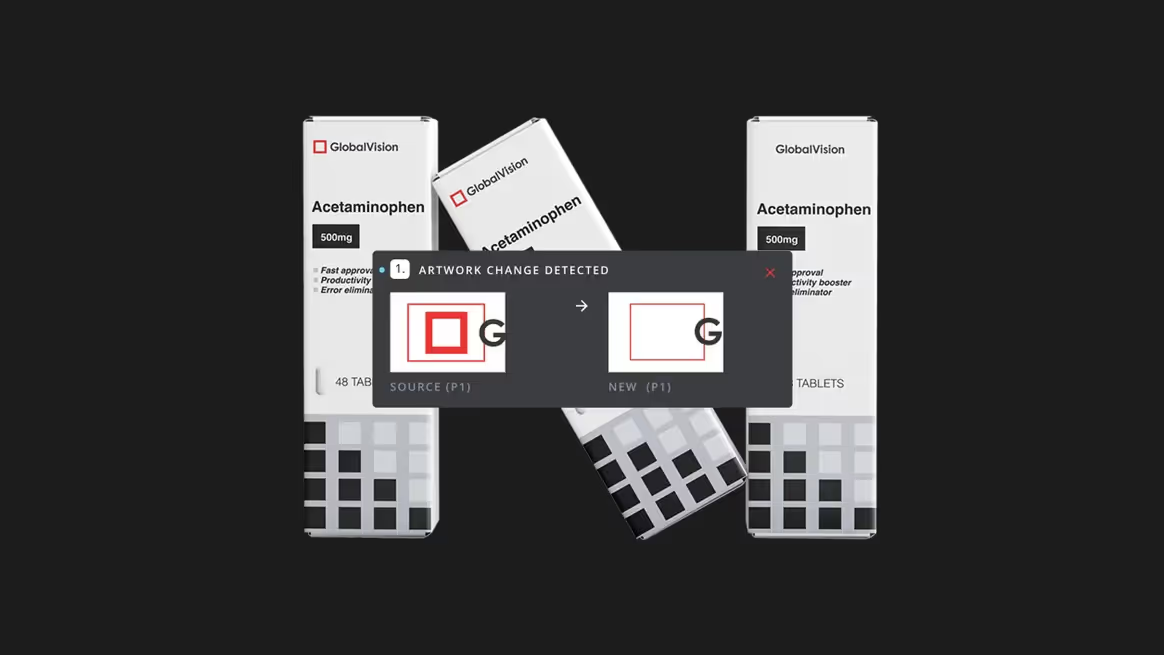
The Only Artwork Label Proofreading Guide You Need
Streamline Artwork Proofing From Prepress to Production
Elevate labeling and packaging accuracy with the market-leading artwork inspection software.