
CMYK

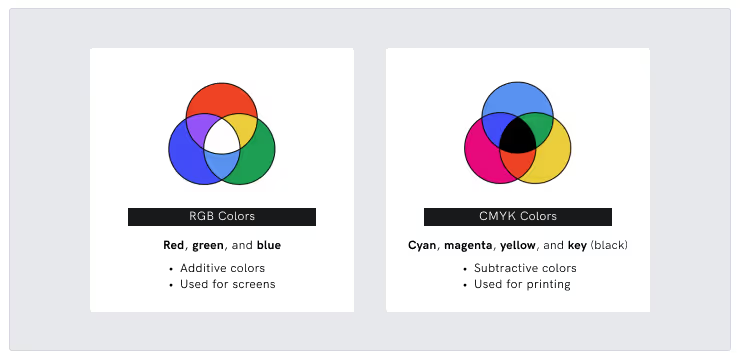
CMYK stands for Cyan, Magenta, Yellow, and Key (Black). It’s a color model used in printing to create full-color images by mixing these four ink colors in different amounts. Unlike colors on a screen (RGB - red, green, blue), which use light, CMYK uses ink on paper.
Why CMYK Matters:
- Accurate Color Reproduction: CMYK ensures the colors you see on paper closely match the intended design.
- Color Mixing Precision: Designers specify exact percentages of each ink (like 30% cyan, 50% magenta) to achieve the desired shade.
- Professional Printing Standard: Almost all packaging, labels, brochures, magazines, and promotional materials are printed using CMYK.
- Predictable Results: By separating colors into CMYK channels, printers can maintain consistent color across multiple copies or print runs.
In short, CMYK is the secret recipe behind the colors you see on all printed materials.
See Other Guides

The Ultimate Guide to Prepress Quality Control: From Preflight to Perfect Prints
Excellent quality control before printing turns a good business into a great one. Catching mistakes early and keeping your standards high makes every project run smoothly. Clients will be impressed by your reliable and detailed work.


Production Quality Control: A Step-By-Step Implementation Guide
When a packaging company ships labels with incorrect barcodes or a printer delivers cartons with color variations that don’t match brand standards, the fallout goes far beyond immediate reprints.
The Only Artwork Label Proofreading Guide You Need
Streamline Artwork Proofing From Prepress to Production
Elevate labeling and packaging accuracy with the market-leading artwork inspection software.