
Overprint

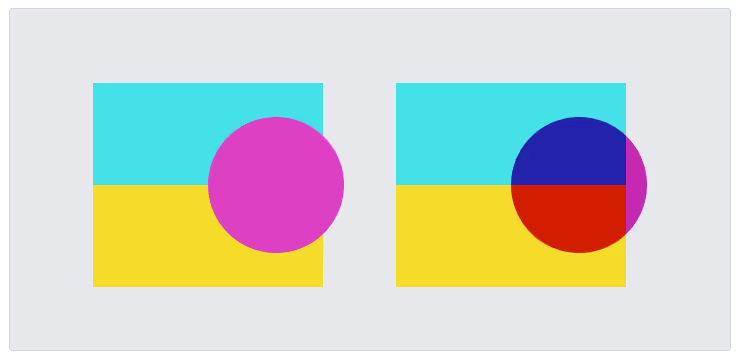
Overprint is a printing technique where one color is printed directly on top of another instead of knocking out (removing) the color underneath. When overprint is used, the bottom color stays in place, and the top color prints over it, creating a blended or layered effect. Designers and printers use overprint intentionally to achieve richer colors, sharper text, or special visual effects.
Why it matters:
If used correctly, overprint can improve print quality, strengthen small text, and create unique color effects. But if used accidentally, it can cause major printing errors, such as disappearing text, unexpected color shifts, or unreadable labels. Understanding overprint helps teams avoid mistakes and ensure accurate, consistent results.
Benefits:
- Cleaner, sharper text: Black text overprints to avoid misalignment or gaps
- Creative effects: Mixing colors can create new tones or layered designs
- Smooth registration: Reduces visible white edges caused by small shifts in printing
- Efficient printing: Helps avoid unnecessary knockouts that complicate prepress
Use cases in Print and Packaging:
- Small black text on colored backgrounds: Ensures crisp, readable type
- Logos or icons: Prevents white halos or gaps around design elements
- Special color effects: Overlapping inks to create layered or transparent looks
- High-precision packaging: Avoids registration errors on cartons, labels, and flexible packaging
Overprint lets colors overlap smoothly and intentionally, creating sharper text, cleaner prints, and unique color effects while preventing common printing errors.
See Other Guides
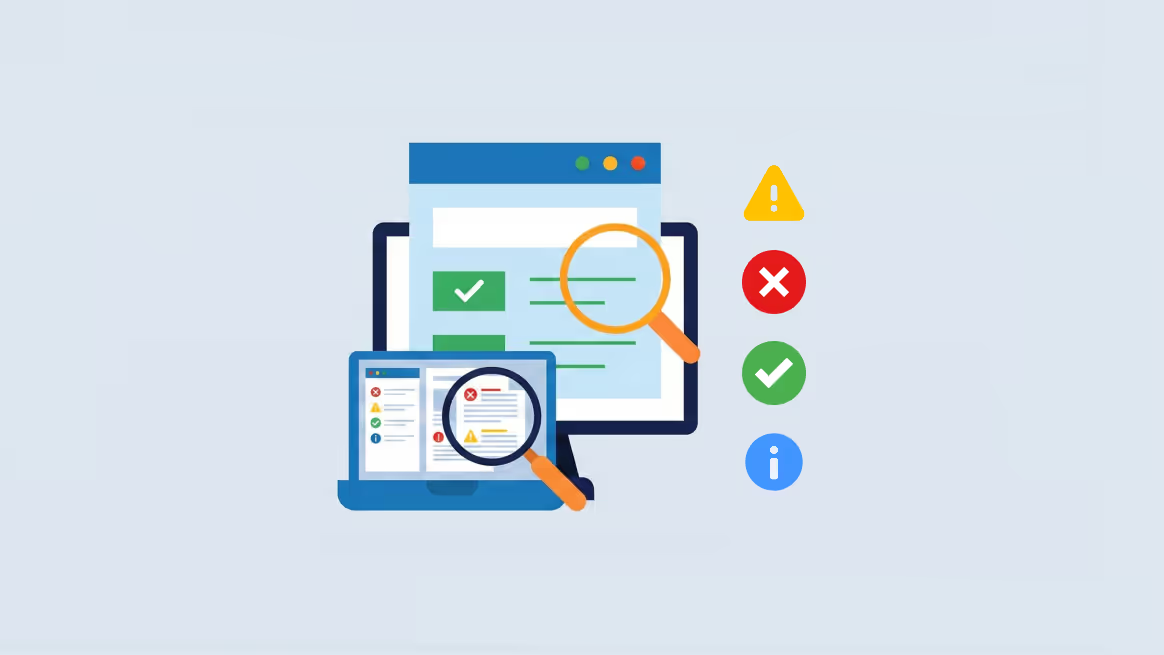
Choosing the Right Preflight Software: Features, Benefits, and ROI
A pharmaceutical company ships 500,000 labels with unreadable dosage instructions because nobody caught a font size violation before production.

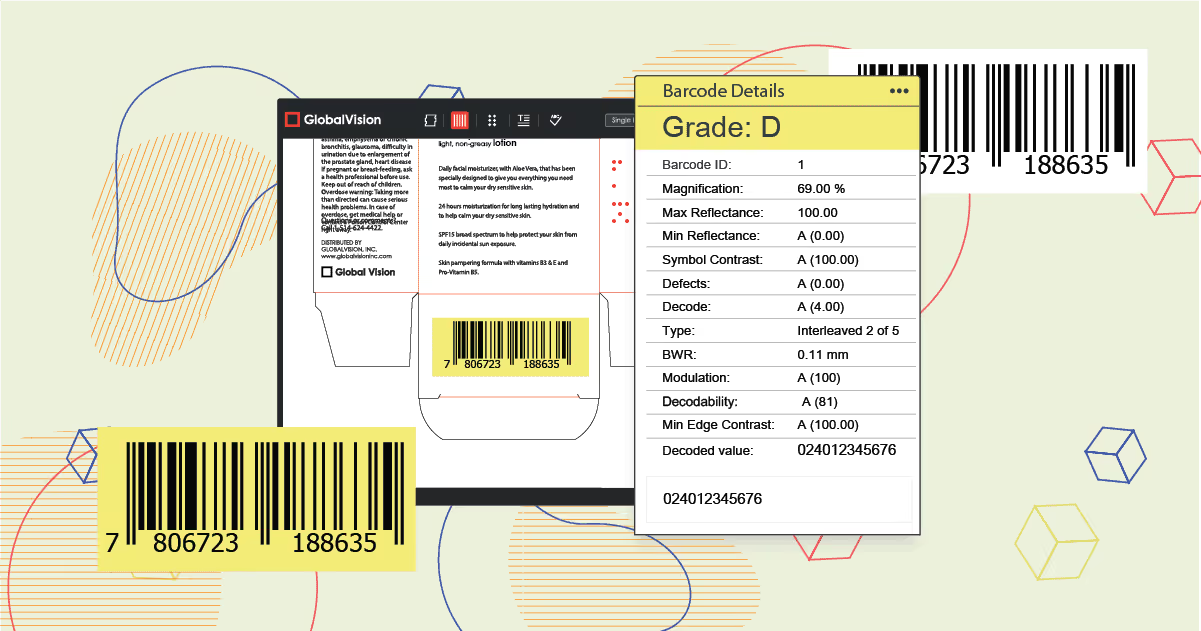
The Ultimate Layman’s Guide to Barcode Types and Printing
The use of barcodes dates back to the early 1960s, initially deployed within the automotive and railroad industry. In the early 1970’s they were implemented within the retail industry, mainly in grocery stores.
Fast Automated Artwork Inspection From Proof to Press
Take on more jobs and propel prepress and production to record speed with automated quality checks that deliver flawless results—every time.
Streamline Artwork Proofing From Prepress to Production
Elevate labeling and packaging accuracy with the market-leading artwork inspection software.